How to Layer Retinol Under Makeup for Glowing, Flawless Skin
without flaking or pilling.
Retinol and make-up work brilliantly together once you get the routine right. Here's how to stop flaking and pilling, and get a smoother, fresher base.
★★★★★ 4.6 from 97 reviews · 30-day money-back guarantee*
Written by Jasmin | Years of skincare know-how & all things Dermaworks
5 min read
Quick answer
Use retinol at night, not under make-up. In the morning, cleanse gently, hydrate with hyaluronic acid, moisturise, apply SPF, then use a hydrating primer and a light, dewy foundation. Retinol gives you a smoother, clearer base for make-up, and good hydration stops flaking and pilling.
Retinol is the anti-ageing powerhouse: smoother texture, softer-looking fine lines and a fresher, more even complexion. But if you wear make-up, you may have noticed foundation clinging to dry patches or pilling as the day goes on. Here's the exciting part: retinol and make-up work brilliantly together once you get the routine right. Use your retinol at night, then in the morning cleanse gently, hydrate with hyaluronic acid, moisturise, apply SPF and choose a hydrating primer and foundation. Your make-up sits on a smoother, fresher base, with no flaking or pilling. Here's exactly how to do it.
How to wear make-up when you use retinol: step by step
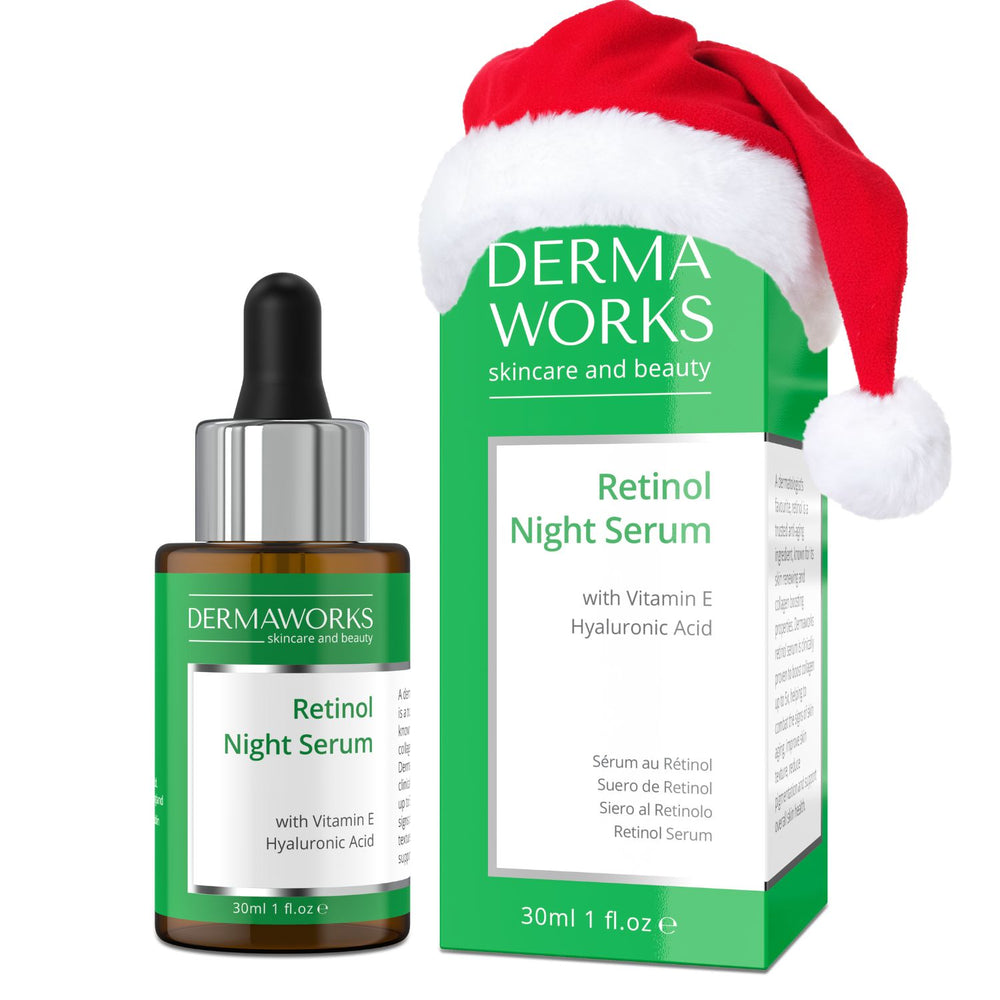
- Evening: apply retinol to clean skin. A few drops of our 2.5% Retinol Night Serum, followed by our Hyaluronic Acid Serum and a moisturiser. Retinol does its work while you sleep.
- Morning: cleanse gently. Our dual-sided face cloths clean with just water, using the short-fibre side, so you don't strip skin that's adjusting to retinol.
- Hydrate. A few drops of hyaluronic acid give skin a plump, smooth base that stops foundation clinging to dry patches.
- Moisturise and let it settle for a minute or two. Our Pure Radiance Face Cream or Men's Daily Moisturiser both sit well under make-up.
- Apply SPF. Retinol makes skin more sensitive to the sun, so this step is non-negotiable.
- Prime, then apply make-up. A hydrating primer and a light, dewy foundation give the best finish on retinol skin.
What retinol does for your make-up
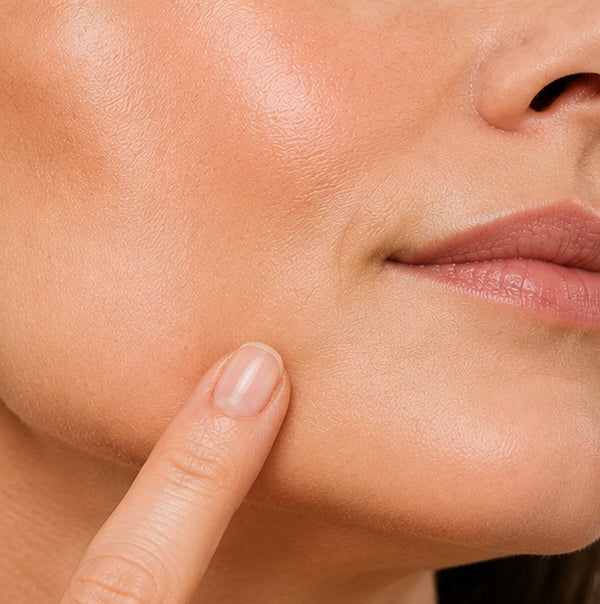
A smoother base
Retinol speeds up your skin's natural renewal, so rough, dull surface cells don't build up. Foundation glides on more evenly and looks more natural.
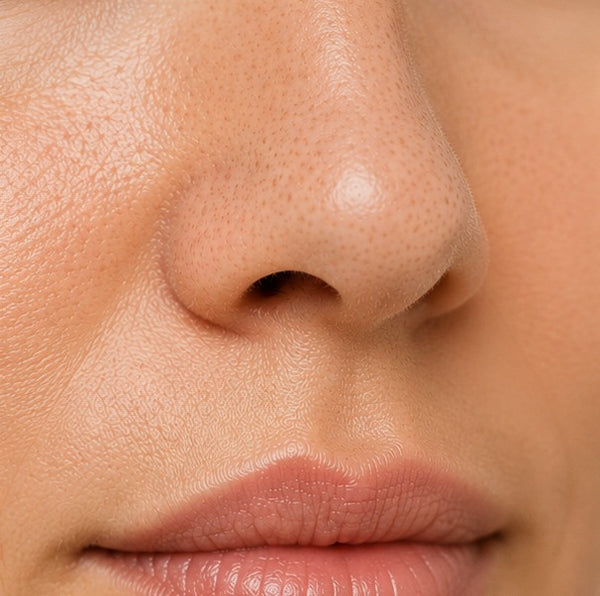
Smaller-looking pores
By keeping pores clearer and skin firmer, retinol helps them look smaller, so you need less primer and less coverage to blur them.
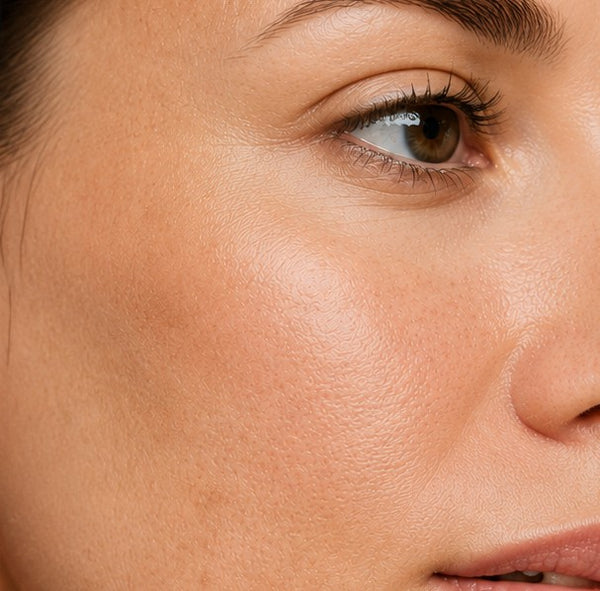
A more even tone
Retinol helps fade the look of dark spots and post-blemish marks over time, so you can reach for less concealer.
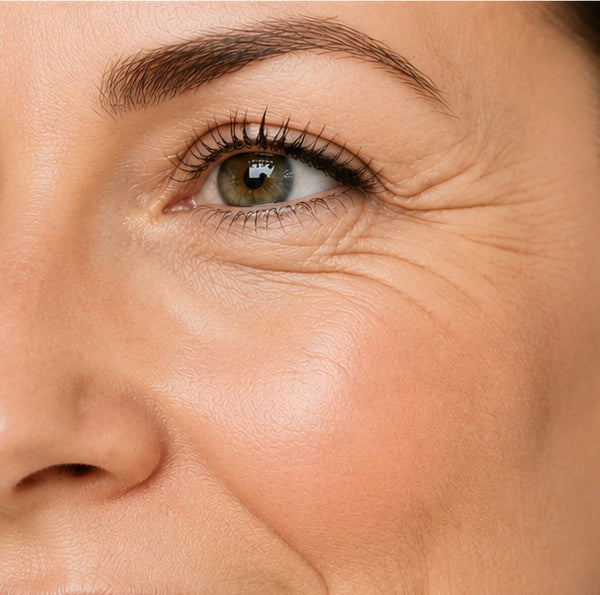
Softer fine lines
Foundation settles into fine lines. As retinol smooths their appearance, make-up creases less through the day.
Can you wear retinol under make-up during the day?
We don't recommend it. Retinol breaks down in sunlight and makes skin more sensitive to UV, which is why our retinol is a night serum. Applied in the evening, it has all night to work on clean skin, with nothing on top. In the morning, your skin gets the benefits, and your make-up sits on the fresh, smoother result.
If you'd like an active ingredient under your make-up, use vitamin C. Our 20% Vitamin C Serum is made for the morning, absorbs in seconds and helps protect your skin through the day.
How to stop make-up flaking or pilling on retinol skin
Hydrate before anything else. Flaking is usually dryness. Hyaluronic acid and a nourishing moisturiser underneath make the biggest difference.
Give each layer a minute. Rushing from moisturiser to SPF to foundation is the main cause of pilling.
Choose hydrating over mattifying. Mattifying primers and full-coverage matte foundations can emphasise dry patches. Dewy or satin finishes look better on retinol skin.
Don't scrub away flakes. Harsh scrubs make things worse. Use the short-fibre side of a face cloth instead, and let retinol do the renewing.
Take a night off if you need to. If your skin is peeling before a big event, skip retinol for a night or two and focus on hydration.
Common mistakes to avoid
Starting every night straight away. If you're new to retinol, start every other night and build up, so your skin adjusts without flaking.
Skipping SPF because your foundation "has some in it". Make-up alone rarely gives enough protection, and retinol skin needs it every day.
Using exfoliating acids on the same night. Retinol already renews your skin; doubling up is what causes flaking under make-up.
Going to bed in make-up. Retinol needs clean skin. Our face cloths remove even waterproof make-up with just water.
Which make-up works best on retinol skin?
Hydrating primers smooth and plump without drying.
Light, dewy foundations and skin tints give a natural finish and don't cling to texture.
Cream blushes and highlighters sit more smoothly than powders on skin that's adjusting.
A light dusting of powder, only where you need it, keeps things fresh without drying.
The best base starts with your skincare. We deliberately made our retinol lightweight, so it absorbs into your skin rather than sitting on the surface, and every ingredient has a purpose: botanical hyaluronic acid, organic aloe vera and vitamin E keep skin comfortable while retinol works. Our 2.5% Retinol Night Serum, clinically proven to increase collagen production by up to 5x, is £14.95, rated 4.6 out of 5 by our customers and backed by our 30-day money-back guarantee, and our 3 Serum Set gives you retinol for night and vitamin C and hyaluronic acid for the morning, all in one box.
Complete the routine
Complete the routine



FAQs
Your questions, answered
Can I put make-up on after retinol?
Why does my foundation look patchy since I started retinol?
Should I use retinol the night before an event?
Can I wear vitamin C under make-up instead?
Every morning
A smoother base,starting tonight.
Made by us, backed by our 30-day money-back guarantee.
5x award-winning · 100,000+ sold · Trusted since 2014
- Mix & match and save up to 15%
- Love it or your money back · 30 days*
*Conditions apply. See our money-back guarantee