Do you apply hyaluronic acid before or after retinol?
Retinol first. Then hyaluronic acid.
Written by Jasmin | Years of skincare know-how & all things Dermaworks
5 min read
Retinol is the anti-ageing powerhouse and hyaluronic acid is the hydration hero everyone talks about. Put them together and you get one of skincare's best pairings, and the question we're asked most is simple: which one goes on first? Apply retinol first, on clean, dry skin, then follow with hyaluronic acid and finish with moisturiser. Together, retinol works overnight to smooth the look of fine lines and renew your skin, while hyaluronic acid floods it with moisture, so you wake up to plump, comfortable, fresher-looking skin. Here's why they work so well together, and exactly how to layer them.
Do you apply hyaluronic acid before or after retinol?
After. Retinol works best applied to clean, dry skin, so nothing sits between it and your skin. Give it a minute to absorb, then apply hyaluronic acid, which draws moisture into the skin and helps soothe the dryness retinol can cause. A moisturiser then seals everything in. This is exactly how we recommend using our own serums.
Some routines suggest applying hyaluronic acid first to "buffer" retinol if your skin is very sensitive. It can soften the effect a little, but for most people the retinol-first order gives the best results with the least fuss.
What is hyaluronic acid?
Nature's moisture magnet. Hyaluronic acid occurs naturally in your skin and can hold up to 1,000 times its own weight in water. It draws moisture in and holds it there, so skin looks plumper, smoother and more supple. It's lightweight, suits every skin type, and can be used morning and night.
What is retinol?
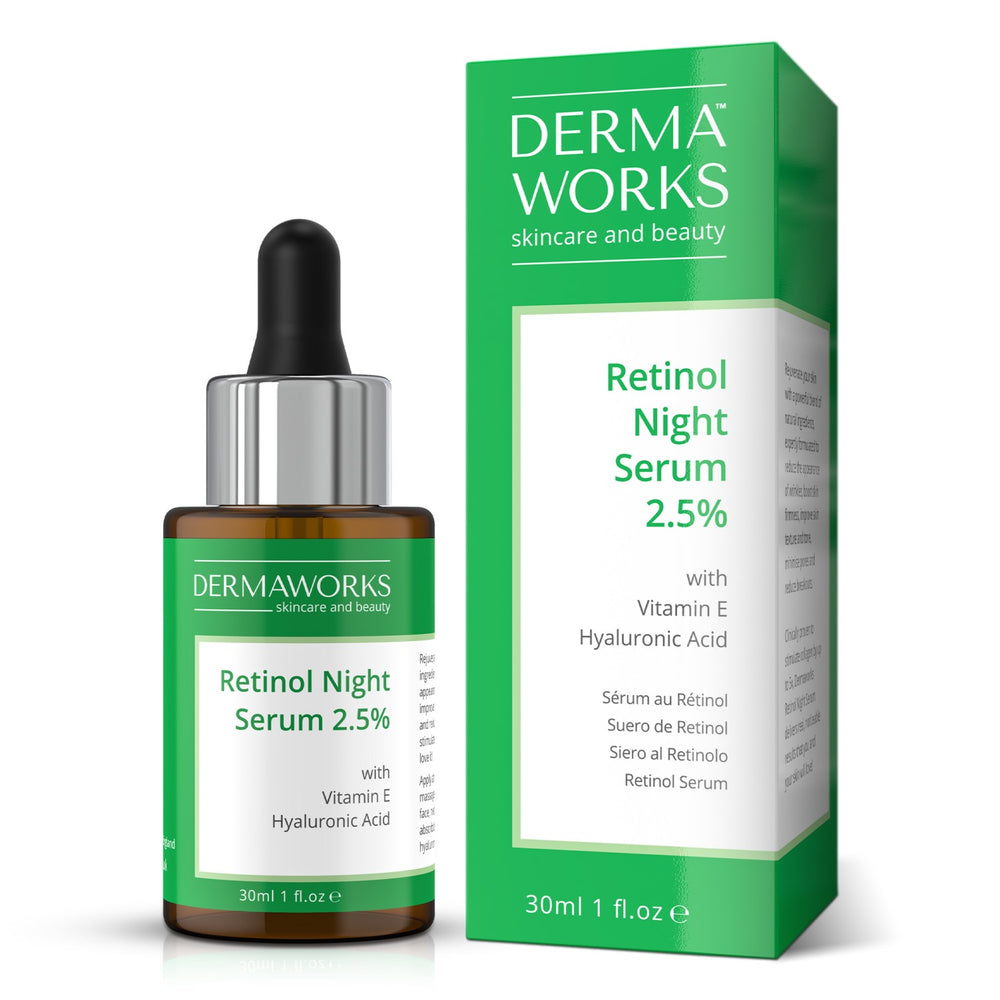
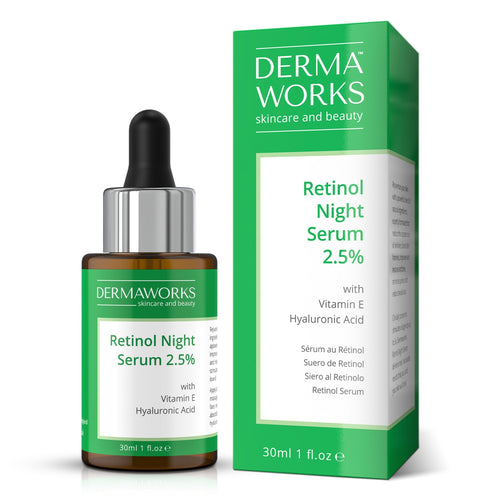
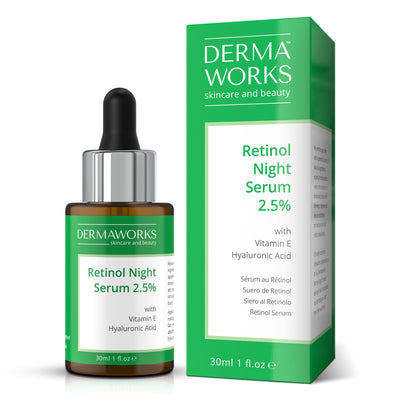
The Holy Grail of anti-ageing ingredients. Retinol is a form of vitamin A and one of the most researched anti-ageing ingredients you can buy without a prescription. It speeds up your skin's natural cell renewal and supports collagen, helping to smooth the look of fine lines and wrinkles, refine pores, even out tone and improve texture. Our 2.5% Retinol Night Serum is clinically proven to increase collagen production by up to 5x.
Why retinol and hyaluronic acid work so well together
Hyaluronic acid soothes retinol dryness
Retinol can leave skin feeling dry or a little flaky at first. Hyaluronic acid replaces that lost hydration, so skin stays soft and comfortable while retinol does its work.
An instant difference and a long-term one
Hyaluronic acid makes skin look plumper and smoother straight away. Retinol builds visible results over weeks. Together, you see a difference from the first night and keep seeing it for months.
Easier to stay consistent
The biggest reason people give up on retinol is irritation. Keeping skin hydrated makes retinol much easier to use night after night, and consistency is what brings results.
Two ways to tackle fine lines
Retinol supports collagen to smooth lines over time, while hyaluronic acid plumps the skin so lines caused by dryness look softer now.
How to layer retinol and hyaluronic acid
- Cleanse in the evening and pat your skin completely dry.
- Retinol first: a few drops of our 2.5% Retinol Night Serum on your face, neck, décolletage and the backs of your hands. New to retinol? Start 2–3 nights a week.
- Give it a minute to absorb.
- Then hyaluronic acid: a few drops of our Hyaluronic Acid Serum to hydrate and soothe.
- Moisturise with our Pure Radiance Face Cream or Men's Daily Moisturiser to lock it all in.
In the morning: skip retinol, use hyaluronic acid with our 20% Vitamin C Serum, then moisturiser and SPF. Retinol makes skin more sensitive to the sun, so daily SPF is a must.
Better together
Get the pair

Mix & match and save up to 15%
Your morning and evening routine
Hyaluronic acid can be used morning and night. Keep retinol for the evening and vitamin C for the morning, and you have a complete routine that brightens, hydrates and renews. Here's how it looks:
Morning and evening
Your routine at a glance
Morning
- Cleanse
- 20% Vitamin C Serum
- Hyaluronic Acid Serum
- Moisturiser
- SPF
Evening
- Cleanse
- 2.5% Retinol Serum (start 2–3 nights a week)
- Hyaluronic Acid Serum
- Moisturiser
Can you use retinol and hyaluronic acid with other ingredients?
Vitamin C: yes, at different times of day. Use vitamin C in the morning and retinol at night rather than layering them together. Both are powerful actives, and using them at the same time is the most common reason people end up with red, stinging skin.
Niacinamide: yes. It works well alongside both, which is why we've included it in our vitamin C serum.
Exfoliating acids (such as glycolic or salicylic acid): not on the same night. Retinol already renews your skin, so use acids on alternate nights, or not at all while your skin gets used to retinol.
SPF: every single morning. It protects your skin and your results.
Signs you've overdone it, and what to do
Redness, stinging, tightness or peeling usually mean too much retinol too soon, or too many actives at once. Don't panic: it settles quickly.
Cut back to every second or third night, stop any exfoliating acids, and keep vitamin C strictly in the morning.
Double down on hydration. Hyaluronic acid and a nourishing moisturiser help calm and repair the skin barrier within a few days.
Build back up slowly once your skin feels comfortable again.
What to look for in each serum
In a retinol serum, look for a stated strength and ingredients that keep skin comfortable. Ours is 2.5% retinol with botanical hyaluronic acid, organic aloe vera and vitamin E.
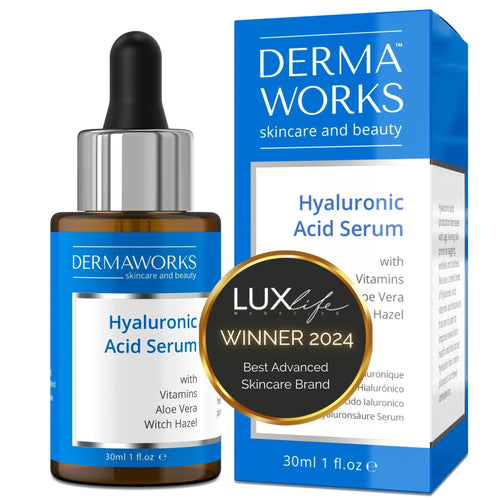
In a hyaluronic acid serum, look for a light, fast-absorbing texture that hydrates without feeling sticky. Ours pairs botanical hyaluronic acid with organic aloe vera and vitamins C and E.
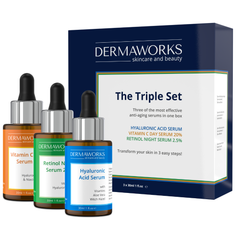
We believe great skincare isn't about one hero ingredient: it's about a formula where every ingredient has a purpose, and that's exactly how we made both of these. Both serums are £14.95 and made by us since 2014, and you can mix and match to save up to 15%. For the complete routine, our 3 Serum Set adds our 20% Vitamin C Serum, and every product is backed by our 30-day money-back guarantee.
FAQs
Your questions, answered
Can I use hyaluronic acid and retinol every night?
Do I need to wait between retinol and hyaluronic acid?
Can I mix retinol and hyaluronic acid together in my hand?
Will hyaluronic acid stop retinol drying my skin?
Better together
Renew and hydrate,every single night.
Made by us, backed by our 30-day money-back guarantee.
5x award-winning · 100,000+ sold · Trusted since 2014
- Mix & match and save up to 15%
- Love it or your money back · 30 days*
*Conditions apply. See our money-back guarantee