5 Signs You're Using Retinol Wrong (And How to Fix It)
and exactly how to fix each one.
Red, flaky or seeing no difference? It's almost never the retinol, it's the routine. The five most common retinol mistakes, and the simple fix for each one.
★★★★★ 4.6 from 97 reviews · 30-day money-back guarantee*
Retinol is the anti-ageing powerhouse: smoother texture, softer-looking fine lines and firmer, fresher skin. So if yours is leaving you red, flaky or seeing no difference at all, it's almost never the retinol. It's the routine around it. The five most common signs you're using retinol wrong are irritation that lasts for weeks, going straight to every night, using too much, skipping SPF and layering it with other strong actives. Every one of them is easy to fix, and once you do, retinol can finally get on with transforming your skin. Here's what to look for.
5 signs you're using retinol wrong
Tap the ones that sound like you.
Your skin is red, tight or peeling for weeks, not days
A little dryness or flaking in the first week or two is normal: it's your skin renewing itself. But if it's still going after three or four weeks, or getting worse, something needs adjusting. The fix: drop back to every second or third night, follow every application with our Hyaluronic Acid Serum and a moisturiser, and build up again once your skin feels comfortable.
You went straight to every night
We get it, you want results fast. But jumping straight to nightly use is one of the most common reasons people react and give up just before retinol starts working. The fix: if you're new to retinol or have very sensitive skin, start every other night, then add more nights as your skin gets used to it, until you're using it every night.
You're using too much
More retinol doesn't mean faster results, just more dryness. And applying it to damp skin can make it feel stronger than it should. The fix: a few drops is all you need for your face, neck and décolletage, smoothed over clean, completely dry skin.
You're skipping SPF the next morning
Retinol makes your skin more sensitive to the sun. Without daily SPF, sun damage can undo all your hard work and leave you with more dark spots, not fewer. The fix: SPF every single morning, whatever the weather. It protects your skin and your results.
You're layering it with other strong actives
Retinol on the same night as exfoliating acids (AHAs and BHAs) or vitamin C can overwhelm your skin, with more irritation and no extra benefit. The fix: keep retinol for the evening, use our 20% Vitamin C Serum in the morning, and save exfoliating acids for different nights.
Or is your retinol simply too weak?
If your skin is perfectly comfortable but you've seen no difference after eight weeks of regular use, the problem may be the serum itself. Plenty of retinol products never tell you how much retinol they contain, and if a label doesn't say, there's usually a reason.
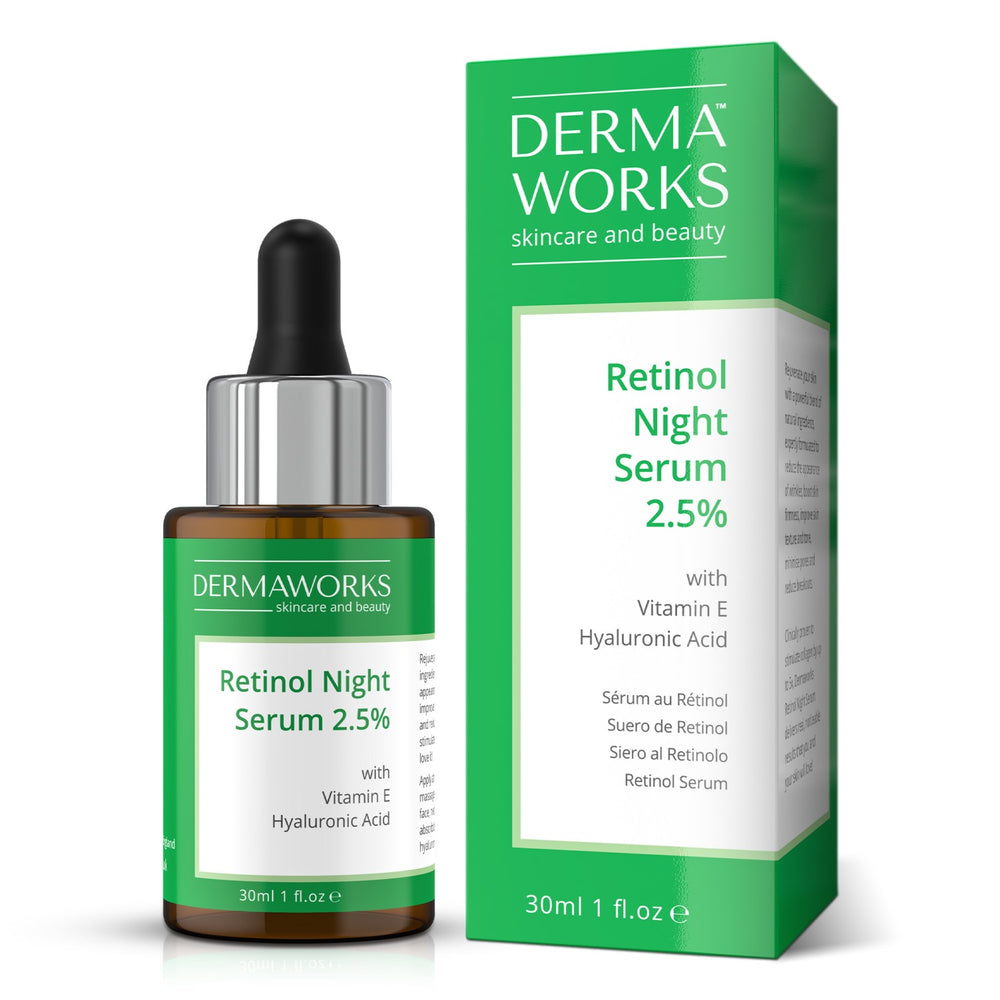
Ours is a high-strength 2.5%, clinically proven to increase collagen production by up to 5x. And because great skincare isn't about one hero ingredient, every ingredient in our formula has a purpose: botanical hyaluronic acid to hydrate, organic aloe vera to soothe and vitamin E to protect, so your skin stays comfortable while retinol does its work.
How to use retinol the right way
A few drops, on clean, dry skin
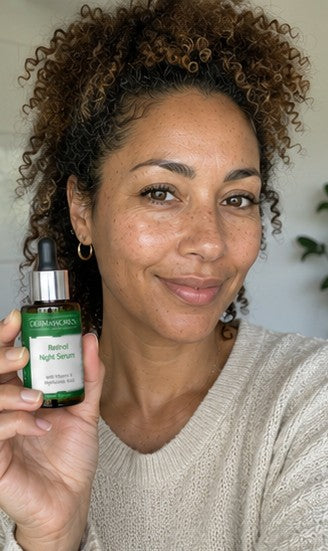
Cleanse, pat your skin completely dry, then smooth a few drops over your face, neck and décolletage, avoiding the delicate skin right around your eyes and lips.

Start slow, then every night
Most people tolerate our retinol really well, but if you're new to it, begin every other night and build up. Once your skin is used to it, retinol works best every single night.
Hydrate straight after
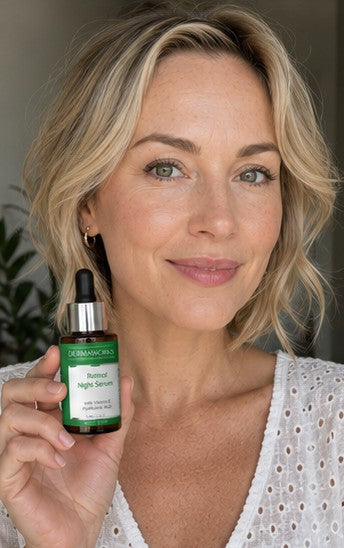
Follow with hyaluronic acid and a moisturiser such as Pure Radiance or our Men's Daily Moisturiser. Plump, comfortable skin makes it easy to keep going.
SPF every morning
Finish every morning routine with SPF, with vitamin C underneath for brighter, more protected skin by day while retinol renews by night.
Is it purging or irritation?
Purging is a few extra spots in the places you usually break out, in the first few weeks, as clogged pores clear. It settles on its own and leaves skin clearer than before. Keep going.
Irritation is redness, stinging, burning or raw-feeling skin, often in areas you don't normally get spots. That's your cue to cut back to every second or third night and focus on hydration until your skin feels comfortable again.
Get your routine right from night one
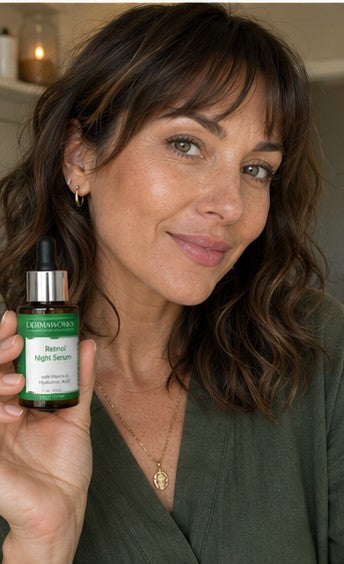
We created our 2.5% Retinol Night Serum to be a formula we'd be proud to use ourselves every evening: high-strength enough to deliver visible results, yet balanced for night-after-night use. Pair it with our Hyaluronic Acid Serum and you have everything you need to avoid every mistake on this list.
Want the whole routine? Our 3 Serum Set gives you retinol for night, plus vitamin C and hyaluronic acid for the morning, for £34.95, saving you £9.90 on buying them separately. Our retinol is rated 4.6 out of 5 by our customers, and every product is backed by our 30-day money-back guarantee.
FAQs
Your questions, answered
How do I know if my retinol is working?
Should I stop using retinol if my skin reacts?
Can I use retinol around my eyes?
Do I need a special moisturiser with retinol?
Retinol, done right
Smoother skin,without the drama.
Made by us, backed by our 30-day money-back guarantee.
5x award-winning · 100,000+ sold · Trusted since 2014
- Mix & match and save up to 15%
- Love it or your money back · 30 days*
*Conditions apply. See our money-back guarantee