SPF and Retinol: Can You Use Them Together?
and how to use them in the right order.
Yes, and if you use retinol, you should. Here's why retinol and SPF are the perfect partnership, how to use retinol in summer, and the simple morning and evening routine.
Written by Jasmin | Years of skincare know-how & all things Dermaworks
3 min read

The short answer
Yes.Retinol at night, SPF every morning.
Yes, you can use SPF and retinol together, and you should. Use retinol at night, when it works best, and wear SPF every morning to protect the fresh, smoother skin it reveals. Retinol makes skin more sensitive to the sun, so daily SPF protects both your skin and your results.
★★★★★ 4.6 · £14.95
Retinol and SPF aren't rivals, they're the perfect partnership. Yes, you can use SPF and retinol together: use your retinol at night, when it gets to work smoothing fine lines and renewing your skin, then wear SPF every single morning to protect the fresh, smoother skin it reveals. Here's why the two belong together, how to use retinol in summer, and the simple routine that keeps your results coming.
Can you use SPF and retinol together?
Absolutely, and if you use retinol, you should. They just work different shifts. Retinol is a night-time ingredient: it breaks down in sunlight, so it does its best work while you sleep, boosting collagen and speeding up your skin's renewal. SPF is your daytime bodyguard, protecting that fresh new skin from UV. Retinol at night and SPF in the morning gives you the best of both.
Why SPF matters so much when you use retinol
Retinol reveals fresh new skin
Retinol brings smoother, newer skin cells to the surface, and that fresh skin is more sensitive to the sun. SPF keeps it protected while retinol does its best work.
UV undoes retinol's hard work
Sun exposure breaks down collagen, the very thing retinol works so hard to boost. Daily SPF protects your results, so the smoother, firmer skin you've built stays that way.
Dark spots can come back
Retinol helps fade sun spots and post-blemish marks, but without SPF, new ones can form as fast as the old ones fade.
It keeps your skin comfortable
Skin that's adjusting to retinol is more prone to burning. Protecting it from the sun helps you avoid redness and sunburn, so you can keep going night after night.
Can you use retinol in summer?
Yes, and there's no need to stop. Keep retinol for the night, wear SPF every morning (reapplying when you're out in the sun all day), and add extra hydration if heat and air conditioning leave your skin feeling dry. Heading off on a beach holiday? You can take a few nights off retinol while you're away, then start again 2–3 nights a week when you're home.
Your morning and evening routine
Retinol by night, SPF by day. Here's how it looks:
Your routine at a glance
What to use, and when
Morning
- Cleanse
- 20% Vitamin C Serum
- Hyaluronic acid
- Moisturiser
- SPF 30 or higher
Evening
- Cleanse
- 2.5% Retinol Serum (start 2–3 nights a week)
- Hyaluronic acid
- Moisturiser
Retinol and SPF myths
"Retinol cancels out SPF." False. They work at different times of day and do completely different jobs.
"You can't use retinol in summer." You can. Keep it for the night and be extra diligent with SPF.
"SPF makes retinol less effective." The opposite: SPF protects the new skin retinol reveals. Think of it as the bodyguard for your results.
"You need SPF at night too." No. Retinol works while you sleep, so there's no sun to protect against. Save your SPF for the morning.
The bottom line
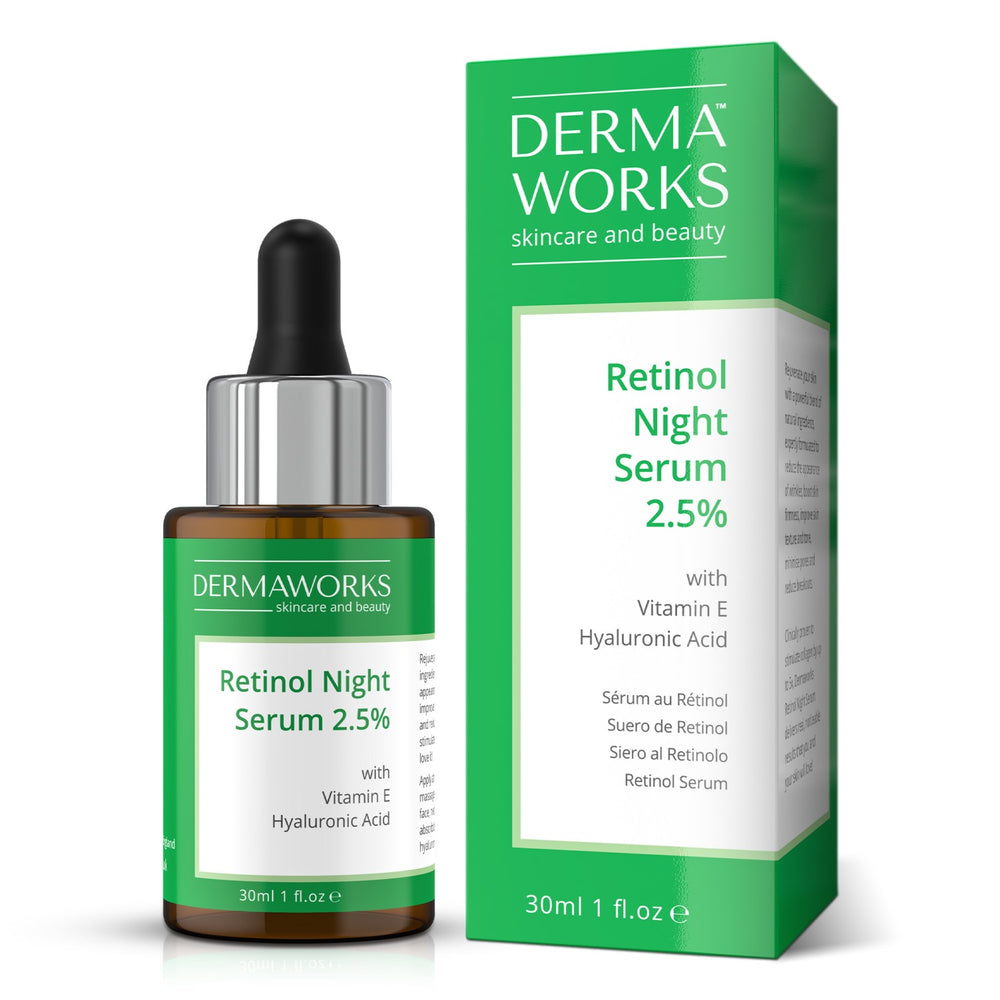
Retinol and SPF are the ultimate skincare duo. Use our 2.5% Retinol Night Serum, clinically proven to increase collagen production by up to 5x, every evening, and protect your results with SPF every morning. For the complete routine, our 3 Serum Set adds our 20% Vitamin C Serum for the morning and Hyaluronic Acid Serum for both, for £34.95, saving you £9.90, and every product is backed by our 60-day money-back guarantee.
FAQs
Your questions, answered
Do I need SPF if I only use retinol at night?
Can I use retinol in the summer?
Can I wear retinol under SPF in the morning?
Should I stop retinol before a beach holiday?
Every evening
Retinol by night,SPF by day.
Made by us, backed by our 60-day money-back guarantee.
5x award-winning · 100,000+ sold · Trusted since 2014
- Mix & match and save up to 15%
- Love it or your money back · 60 days*
*Conditions apply. See our money-back guarantee